Differences between Traditional Performance Management System and OKR
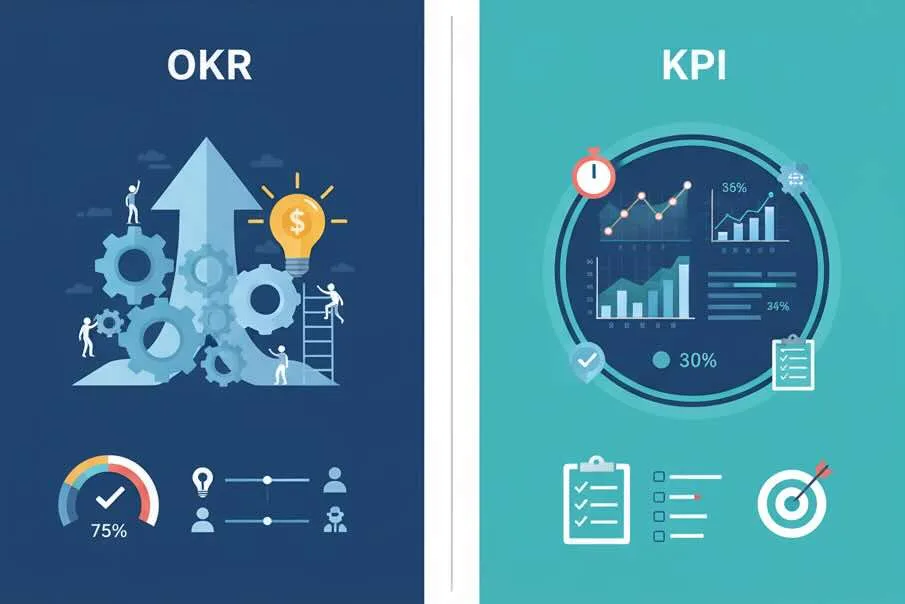
In Traditional Performance Systems, goals are set for annual periods. Budget and long-term strategies shape these goals at the beginning of the year. The set goals are seen as fixed and unchangeable commitments. The basis is the employee's adherence to the goals set throughout the year. This philosophy can work in slow-changing sectors. However, today's world is characterized by speed, uncertainty, and complexity. This is a weak point of the system. Goals are rarely revised during the year. Revisions do not occur unless major organizational changes necessitate them. Mid-year reviews conducted in the sixth month do not question the validity of the goals. They generally look at achievement rates. Consequently, the organization may spend resources for a year on goals that are not up-to-date. The year-end evaluation is entirely based on the percentage of goal achievement. This pushes the employee solely toward reaching the result. The employee's efforts in learning, innovation, and collaboration during the process take a back seat.
Read More